Wood Floor Refinishing vs. Floor Replacement: How to Decide
People searching for wood floor refinishing often want to restore or enhance their existing floors, and local contractors can help determine if refinishing or replacement is best.
Deciding between wood floor refinishing and floor replacement is a common consideration for property owners looking to refresh or upgrade their space. Whether dealing with visible wear, scratches, or outdated finishes, understanding the differences can help determine the best approach. This topic is especially relevant for those in the area who want to preserve the character of their existing floors while avoiding unnecessary renovations. Exploring the practical aspects of each option can reveal whether a simple refinishing job by local contractors might restore beauty and durability, or if a full replacement is necessary to achieve the desired look and longevity.
Readers interested in this topic can find valuable insights into how to evaluate the condition of their wood floors and what factors influence the decision-making process. Local service providers specializing in wood floor refinishing can often help assess whether refinishing will meet expectations or if replacement might be the better choice. Staying informed about these options ensures property owners make confident, informed decisions that align with their goals, whether they’re aiming to preserve the charm of their existing flooring or pursue a complete overhaul. Keep reading to learn more about how to navigate this important choice.
- Wood floor refinishing - ideal for restoring worn or faded hardwood floors without the need for full replacement, with local contractors focusing on sanding, staining, and sealing to improve appearance.
- Floor replacement - necessary when hardwood floors are severely damaged, warped, or have extensive structural issues that refinishing cannot address, with local pros handling removal and installation.
- Wood floor refinishing - suitable for minor scratches or surface imperfections, where local service providers can rejuvenate the existing flooring to extend its lifespan.
- Floor replacement - recommended if the existing flooring has deep gouges, persistent stains, or pest damage that refinishing cannot effectively conceal or fix.
- Wood floor refinishing - a cost-effective option for preserving historical or high-quality floors, with local contractors carefully restoring the original finish while maintaining the wood’s integrity.
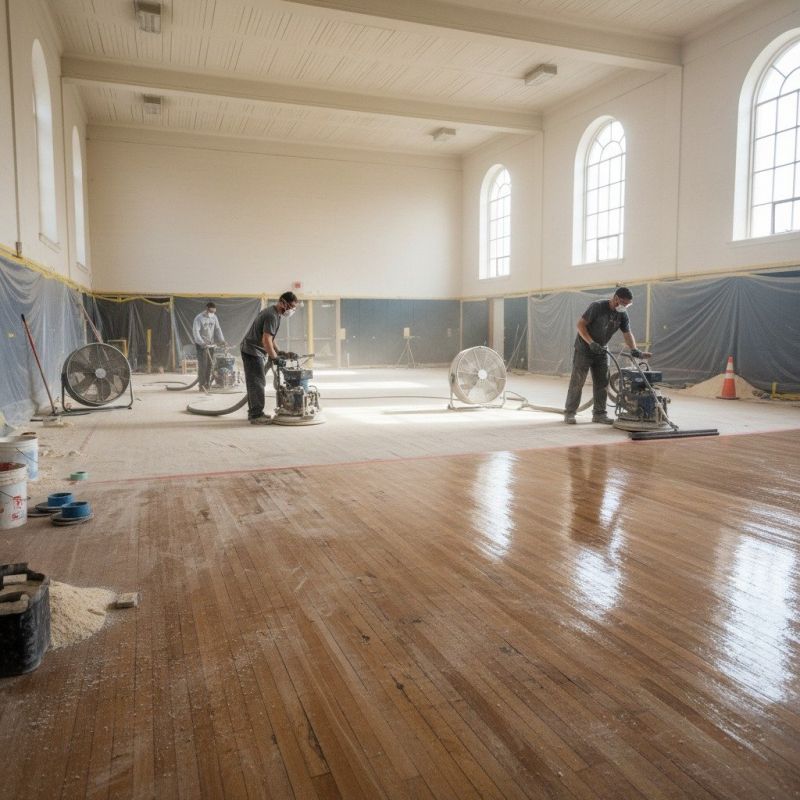
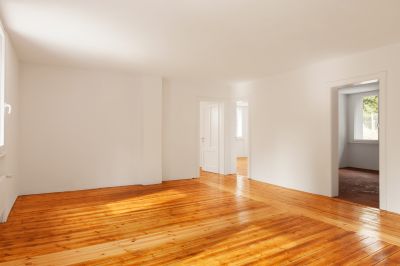
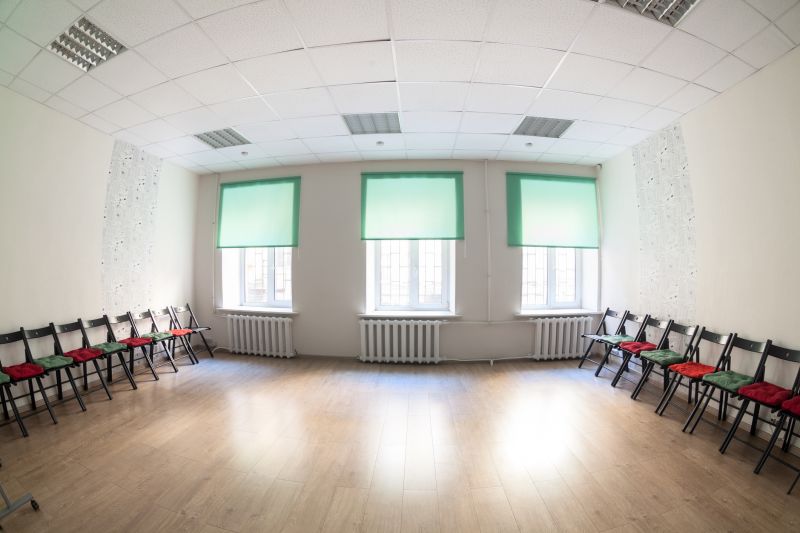
When homeowners search for information on wood floor refinishing vs. floor replacement: how to decide, they are often facing the challenge of determining the best way to restore or upgrade their existing flooring. This topic typically arises when a floor has become worn, scratched, or dull over time, and the property owner is considering whether a simple refinishing job will suffice or if a full replacement is necessary. Many are planning renovations, preparing a home for sale, or simply looking to enhance their living space. The decision hinges on understanding the current condition of the wood, the extent of damage or wear, and the overall goals for the space. Local service providers who specialize in wood floor refinishing can assess the condition of existing floors and advise on whether refinishing will restore their appearance or if replacement might be the more practical choice.
This subject is particularly relevant for properties that have high foot traffic, older homes, or spaces where the floors have suffered significant damage. Common problems include deep scratches, gouges, water stains, or areas where the wood has become thin or warped. Homeowners often consider this topic when planning upgrades for living rooms, dining areas, or even commercial spaces within retail or office buildings. The plans may involve restoring a historic hardwood floor or updating a worn-out surface to match new interior design elements. Understanding the differences between refinishing and replacement helps property owners make informed decisions aligned with their long-term maintenance plans and aesthetic preferences.
The types of properties involved in discussions about wood floor refinishing vs. floor replacement typically include residential homes, especially older houses with original hardwoods, condominiums, and townhomes. Commercial properties, such as retail stores, restaurants, or offices with hardwood floors, also come up frequently. These spaces often have different usage patterns that influence the decision-residential floors may be more prone to wear from daily life, while commercial floors might need to withstand heavier foot traffic or specific aesthetic standards. Local contractors experienced in wood floor refinishing can evaluate the unique characteristics of each property, considering factors like the age of the flooring, the type of wood, and the extent of damage, to help determine whether refinishing can bring the floor back to life or if replacement is the better option.
Deciding between wood floor refinishing and floor replacement involves understanding how each approach fits into the specific project. Refinishing is generally suitable for floors that are structurally sound but show surface wear, such as scratches, dullness, or minor discoloration. It involves sanding down the top layer and applying new stain or finish to restore the floor’s appearance. Replacement, on the other hand, becomes necessary when the wood is severely damaged, warped, or has areas of deep gouges that cannot be effectively repaired through refinishing. Local service providers can help homeowners weigh these factors, offering expert assessments that clarify whether a simple refinishing process will meet their needs or if a full replacement will provide a more durable and visually appealing result. This guidance ensures that property owners can make choices aligned with their goals, budget, and the condition of their floors.
Floor sanding and finishing - this process involves preparing and renewing existing wood floors, similar to refinishing, and requires comparable tools and planning considerations.
Subfloor repair and installation - understanding subfloor conditions is essential when deciding between refinishing and replacing, as it impacts the overall floor durability and needs.
Hardwood floor installation - installing new hardwood floors shares planning and material selection skills with floor replacement projects, often requiring similar preparation.
Surface preparation and repair - skills in repairing damaged wood surfaces or preparing floors for finishing are common to both refinishing and replacement planning processes.
Floor staining and finishing - applying stains and protective finishes is a key step in refinishing projects and involves precise surface handling skills similar to those used in new installations.
Custom wood floor design - designing unique patterns or layouts involves planning skills that are also useful when evaluating whether to refinish or replace existing flooring.
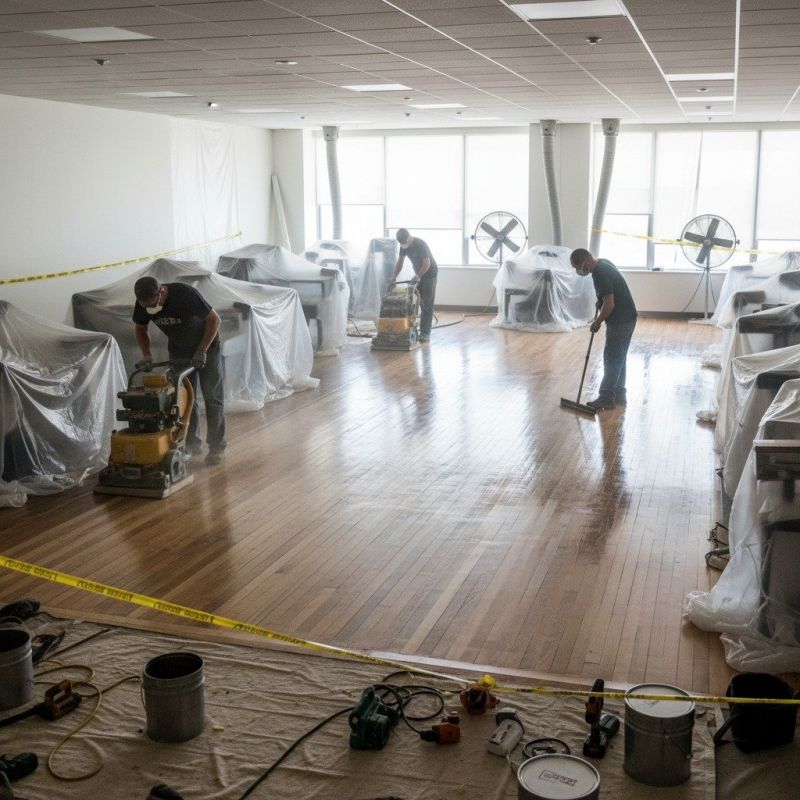
When evaluating wood floor refinishing services versus floor replacement, it is important to consider the experience of local contractors with similar projects. Homeowners should seek out service providers who have a proven track record in refinishing or replacing floors comparable to their own in terms of material, age, and condition. An experienced local contractor will be familiar with the nuances of different wood types and surface issues, which can influence the best approach to restore or replace flooring effectively. Verifying a contractor’s history with projects similar to the homeowner’s can provide confidence that they understand the scope and challenges involved, leading to a more informed decision between refinishing and replacement.
Clear and detailed written expectations are essential when comparing local pros for wood floor work. Homeowners should look for service providers who can articulate the scope of work, materials used, and the process involved in either refinishing or replacing floors. Having these details in writing helps ensure that both parties share the same understanding of the project’s goals and deliverables. This transparency can prevent misunderstandings and allow homeowners to compare proposals accurately, making it easier to decide whether refinishing will meet their needs or if replacement is necessary for a long-term solution.
Reputable references and good communication are key factors when selecting local contractors for wood floor projects. Homeowners should seek out service providers who can provide references from previous clients with similar projects, giving insight into the quality of work and professionalism. Additionally, responsive and clear communication from a contractor indicates a commitment to customer service and an ability to address questions or concerns throughout the process. These qualities help homeowners feel confident in their choice and ensure that the decision between refinishing and replacement is based on a collaborative understanding of what each option entails and how well the contractor can meet expectations.
Property owners often search for wood floor refinishing vs. floor replacement: how to decide when they are planning practical projects around their homes and businesses. Local pros provide Wood Floor Refinishing services for everyday jobs and straightforward project options.
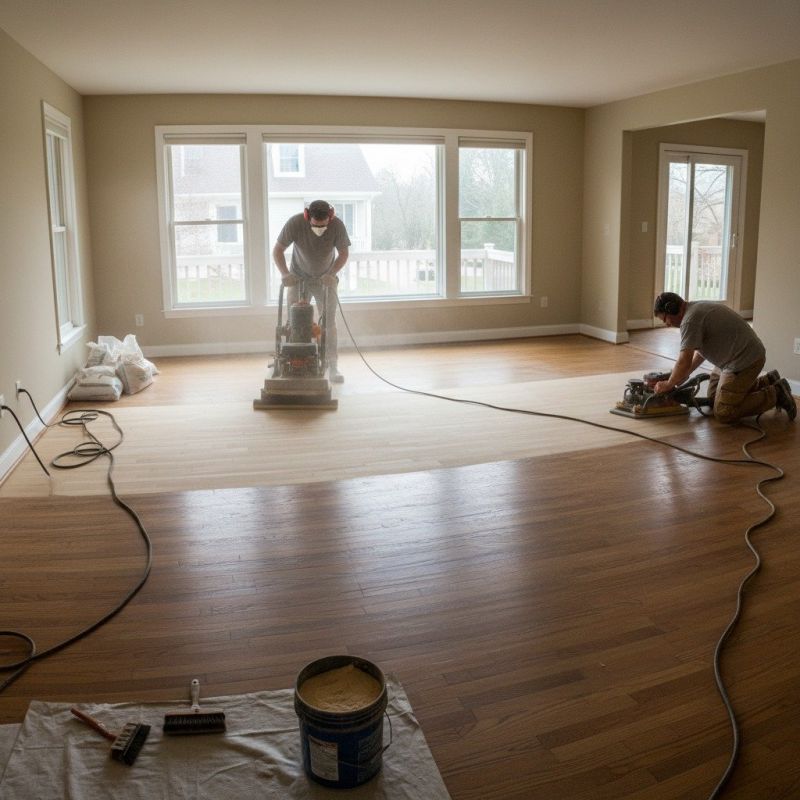
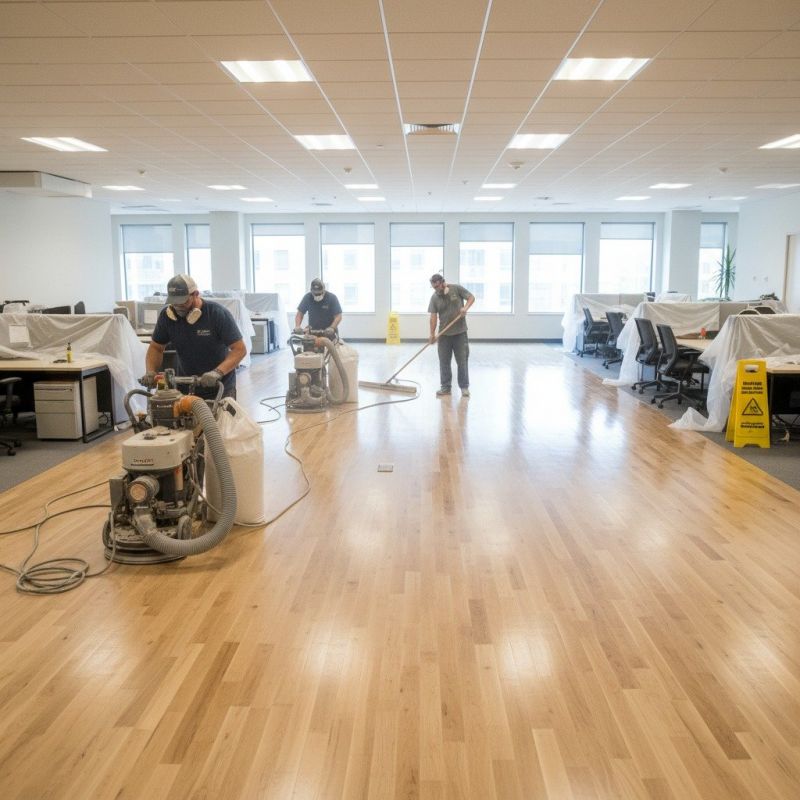
When homeowners are faced with deciding between wood floor refinishing and floor replacement, everyday situations often influence their choice. For instance, a homeowner noticing surface scratches, dullness, or minor imperfections might consider wood floor refinishing as a cost-effective way to restore the appearance without removing the existing flooring. Similarly, those with older floors that have developed wear and tear but are still structurally sound may look into refinishing services offered by local contractors to breathe new life into their spaces. Such decisions are common for property owners seeking to refresh their interiors while preserving the character of their existing wood floors.
On the other hand, property owners dealing with more significant damage-such as deep gouges, water stains, or warped boards-may find that floor replacement is a more practical solution. In these cases, local service providers can help evaluate whether refinishing can address the issues or if a full replacement is necessary to achieve the desired look and durability. Many people search for guidance on how to weigh these options, especially when considering the condition of their floors and the long-term benefits of either approach. Local pros can assist in making informed decisions, ensuring that homeowners choose the best route for their specific situation.
How do I know if my wood floors can be refinished instead of replaced? Local contractors can assess the condition of your wood floors to determine if refinishing is feasible, based on factors like the depth of scratches, wear, and overall damage.
When should I consider floor replacement instead of refinishing? If your floors have extensive damage, deep gouges, or structural issues, local service providers may recommend replacing the floors rather than refinishing to ensure durability and appearance.
Can refinishing restore the original look of my hardwood floors? Yes, experienced local pros can often restore the appearance of wood floors through refinishing, which involves sanding and applying new finish to enhance their look.
Is floor replacement necessary if my floors are outdated or have style issues? Replacing floors is typically the best option for outdated or stylistically mismatched wood, but local contractors can advise whether refinishing or replacement suits your aesthetic goals.
How do local pros decide between refinishing and replacing my wood floors? They evaluate the current condition, extent of damage, and your preferences to recommend the most practical solution, whether it’s refinishing or full replacement.
Assessing floor condition - Property owners can evaluate whether their existing wood floors are heavily damaged or worn, which may indicate a need for replacement rather than refinishing.
Considering project scope - Deciding if the project involves minor surface repairs or extensive damage can help determine if refinishing will restore the floor or if replacement is necessary.
Matching style and age - Homeowners might consider the age and style of their floors to decide if refinishing can preserve the original look or if a new floor will better suit their design goals.
Consulting with local contractors - Getting professional opinions from service providers can clarify whether wood floor refinishing or replacement is the most practical solution for a specific project.
If you are thinking about wood floor refinishing vs. floor replacement: how to decide for a property, this guide is meant to help you understand this topic, the typical project types, and how different options might fit your plans.
When you are ready, you can use the quote form on this page to share a few details about your project. From there, local pros can review the basics and follow up with options that match what you have in mind.